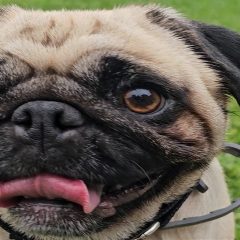

Working dogs come in all shapes and sizes, from those found on farms rounding up sheep and cattle, to those in the field of search and rescue. Without doubt, it takes a special dog and handler to go out in the field of unknown every day to help and support the community. Working dogs are bred and developed with attributes necessary to perform jobs such as guarding property, personal protection, pulling sleds/carts and performing rescues, tracking, crowd control and much more. The type of work performed, and the working temperament are key factors that determine the breeding philosophy of working dogs.
The type of work performed is the key factor that separates certain groups of working dogs from others. Herding breeds are great candidates for protection work. The best police-style working dogs are directly drawn from practical herding stock. It is important to understand that dogs originally developed for one application my not become a qualifying candidate.

The temperament of the dog determines the success of the dog in this endeavor, working temperament is the collection of consistent traits necessary to perform and excel in working situations. The German Shepherd Dog (GSD) was originally developed for herding or farm-related work, as well as guard/watch duties and general companionship. This type of breeding is called working lines. Although few people today use their GSD for herding or farm work, the loyal, courageous dog of the farm still exists in most GSD’s today.
Due to breeding programs that swayed outside the original mission and purpose, it is not uncommon today to find some dogs are ineligible for application as working dogs. Further, it is not uncommon to find dogs originally bred to control herds of sheep or cattle that are intimidated by them. These dogs may have been bred for showing, thus leading to the degeneration of a breed. This type of breeding is called show lines, which is in stark contrast to the working lines.
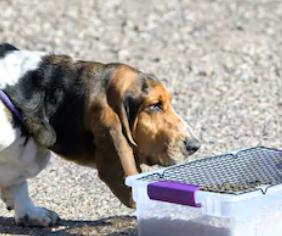
Since these dogs look similar to the casual observer, most people assume the character and adaptability for work to be the same. Show breeders often tend to encourage this self-serving attitude, undermining the fact that a dog’s potential is primarily determined by its genetic make-up. People that want their dogs trained as super working dogs, but disappointed when the lack of confidence, courage and enthusiasm are highlighted. Even the instinctive protective nature is questionable in many GSD’s! This highlights the need to regenerate working dogs breeds back to the original temperament and application.
The following are main qualities that compel a dog to work:
- Endurance
- Enthusiasm
- Quick reaction
- Guarding instinct, alertness and vigilance
- Exceptionally watchdogs tendency
- Tenacious defensive drive when it comes to master and family
- Responsiveness to master’s direction
- Ability to handle stress and work under stress
- Intelligence
- Inquisitiveness
- Firm loyalty to those it knows and loves
- Exhibition of reserve with strangers
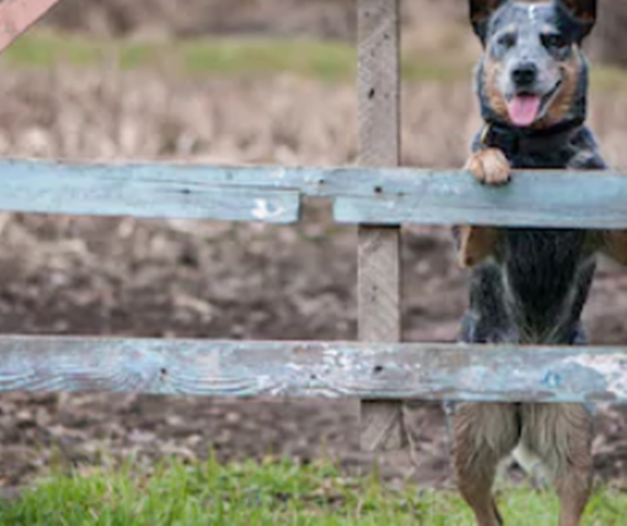
Working temperament is not synonymous with personality. Working ability is akin to the human term “work ethic”. A person can have a bad work ethic but have a wonderful personality. Conversely, one with an excellent work ethic could have an abrasively or unpleasant personality. The same is true in dogs. Without good character the working dog can endanger the very humanity it is tasked to serve and could be a liability.
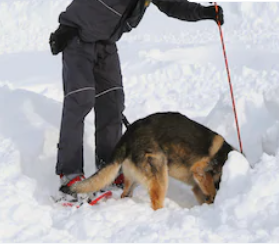
Thorough training reduces the potential for any liability, regardless, dogs which either round up on a farm, search for people in rubble and snow, sniff out truffles in the field or support the police, they have a valuable role in any community.
It would be great to hear from you regarding your experience with working dogs, share your comments with us.
